Automatic Cooking Machine for Commercial Kitchens
The food service industry is rapidly evolving as restaurants and food production businesses look for smarter ways to improve efficiency and reduce operational costs. One of the biggest innovations transforming modern kitchens today is the automatic cooking machine.
Automatic cooking machines are designed to help restaurants, central kitchens, and food factories automate cooking processes with consistent quality and high production efficiency. These intelligent systems combine smart temperature control, automated cooking functions, and industrial-grade engineering to create a modern solution for commercial kitchen operations.
As labor shortages and rising operating costs continue to challenge the restaurant industry, more businesses are adopting AI cooking robots and smart kitchen equipment to improve productivity and maintain food quality.
What Is an Automatic Cooking Machine?
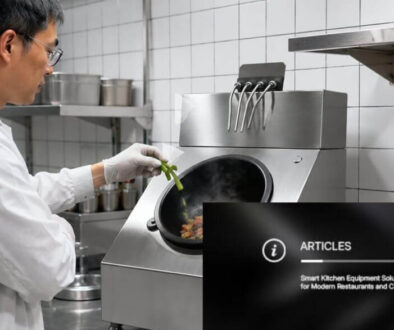
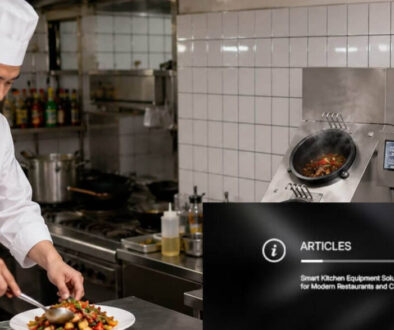
An automatic cooking machine is a commercial kitchen device that automates various cooking processes such as stir-frying, heating, mixing, and temperature control.
Unlike traditional manual cooking, these machines use programmed cooking systems to ensure every dish is prepared with the same quality and consistency.
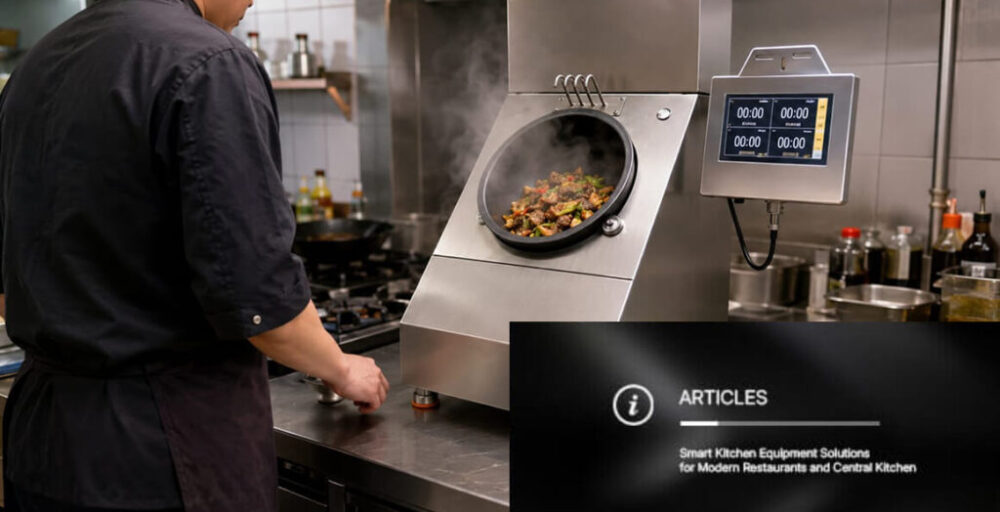
Modern commercial cooking machines often include:
- Intelligent temperature control
- Automatic stirring systems
- Multi-wok cooking stations
- Touchscreen operation panels
- Recipe programming
- Cooking time automation
These features allow restaurants to produce meals more efficiently while reducing dependency on manual labor.
Why Restaurants Need Automatic Cooking Machines
Many restaurants face serious operational challenges in daily kitchen management. Traditional cooking methods often depend heavily on experienced chefs, making operations expensive and difficult to scale.
Automatic cooking machines provide a practical solution for modern food businesses.
High Labor Costs
Restaurant labor costs continue to increase worldwide. Skilled chefs are expensive to hire and difficult to retain.
Automatic cooking systems reduce the need for large kitchen teams by automating repetitive cooking processes. This allows businesses to lower labor expenses while improving productivity.
Inconsistent Food Quality
One common problem in restaurants is inconsistent food taste between chefs or locations.
AI cooking robots solve this problem through standardized recipe programming and precise cooking control. Every dish can maintain the same taste, texture, and quality.
This is especially important for restaurant chains and franchise businesses.
Slow Cooking During Busy Hours
During peak dining hours, kitchens often struggle to keep up with customer demand.
Automatic cooking machines help increase cooking speed and reduce waiting times. Multi-station cooking systems can prepare several dishes simultaneously, improving operational efficiency.
Difficulty Finding Skilled Chefs
Many restaurants face labor shortages and difficulty recruiting experienced kitchen staff.
Commercial kitchen automation reduces dependency on highly skilled chefs and simplifies kitchen operations.
Features of Modern Automatic Cooking Machines
Modern automatic cooking machines are designed specifically for commercial use.
Multi-Wok Cooking Design
Many commercial cooking robots feature single, dual, or multi-wok systems.
This design allows restaurants to:
- Increase production capacity
- Prepare multiple dishes simultaneously
- Improve kitchen workflow
- Reduce cooking delays
Multi-station systems are ideal for busy restaurants and central kitchens.
Intelligent Temperature Control
Accurate temperature control is essential for maintaining food quality.
Automatic cooking machines use smart heating systems to ensure precise cooking temperatures throughout the process.
This helps:
- Prevent overcooking
- Improve food consistency
- Reduce ingredient waste
- Maintain cooking standards
Touchscreen Operation
Modern AI cooking robots often include touchscreen control panels for easy operation.
Kitchen staff can quickly select recipes, monitor cooking progress, and adjust settings through a user-friendly interface.
This reduces training time and improves operational simplicity.
Stainless Steel Commercial Structure
Commercial kitchen equipment must be durable and hygienic.
Automatic cooking machines are commonly built with industrial stainless steel materials that provide:
- Long-term durability
- Easy cleaning
- Corrosion resistance
- Food safety compliance
This makes them suitable for high-volume commercial kitchen environments.
Advantages of Commercial Cooking Automation
Automatic cooking machines provide many long-term advantages for restaurants and food production businesses.
Improve Kitchen Efficiency
Automation helps optimize kitchen operations and reduce unnecessary manual work.
Restaurants can:
- Produce food faster
- Improve workflow
- Reduce operational errors
- Increase daily production capacity
This improves overall business performance.
Standardize Food Production
Food consistency is critical for customer satisfaction and brand reputation.
AI cooking robots ensure every recipe follows the same cooking process and standards.
This helps restaurant chains maintain uniform food quality across all branches.
Reduce Operating Costs
Although commercial cooking automation requires initial investment, it can significantly lower long-term expenses.
Businesses can reduce:
- Labor costs
- Staff training costs
- Ingredient waste
- Production inefficiencies
Over time, automation improves profitability and operational stability.
Enhance Kitchen Safety
Automatic cooking systems reduce direct human contact with hot cooking surfaces and oil.
This helps improve kitchen safety and reduce workplace accidents.
Applications of Automatic Cooking Machines
Automatic cooking machines are suitable for many food industry sectors.
Restaurants
Improve cooking efficiency and reduce dependency on chefs.
Central Kitchens
Support large-scale food preparation with stable production quality.
Food Factories
Increase production consistency and automate repetitive cooking processes.
Catering Businesses
Handle large-volume cooking requirements efficiently.
Restaurant Chains
Maintain standardized recipes across multiple locations.
AI Technology in Smart Kitchens
Artificial intelligence is becoming an important part of modern kitchen automation.
AI cooking robots can:
- Store multiple recipes
- Control cooking temperatures automatically
- Monitor cooking duration
- Improve energy efficiency
- Optimize production workflow
As technology continues to develop, future smart kitchens will become even more automated and intelligent.
The Future of Commercial Kitchen Automation
The global food industry is moving toward automation and digital transformation.
Several trends are driving demand for automatic cooking machines:
- Rising labor costs
- Labor shortages
- Expansion of restaurant chains
- Demand for consistent food quality
- Growth of cloud kitchens
- Need for operational efficiency
Restaurants that adopt automation technology early can gain significant competitive advantages.
Commercial kitchen automation is no longer just a trend. It is becoming a necessary solution for modern food businesses that want to improve productivity and remain competitive.
Conclusion
Automatic cooking machines are transforming the future of commercial kitchens. These intelligent systems help restaurants improve cooking efficiency, maintain food consistency, reduce labor costs, and modernize kitchen operations.
From restaurants and central kitchens to food factories and catering businesses, commercial cooking automation provides scalable and reliable solutions for the modern food industry.
As demand for smart kitchen equipment continues to grow, AI cooking robots and automatic cooking systems will play an increasingly important role in shaping the future of food production.